Printable Thoughts Feelings Behaviors Worksheet
Printable Thoughts Feelings Behaviors Worksheet - Web a feelings wheel is a chart with primary emotions in the center that fans out with more specific emotions. Available in over 70 languages, each is downloadable in multiple formats to suit your therapy style. Brafford perience your feelings without attempting to control or change them in any way, to stay with your emotions as fully as possible and to let them run their natural course (hoffman et al., 2009). Ncvc, medical university of south carolina 3. Web this cognitive behavioral therapy worksheet is great for students who demonstrate negative thinking patterns that lead to poor mood regulation or behavioral incidents.use the worksheet to work on teaching students how their negative thoughts can negatively affect their emotions and behavior. Cbt is an integration of principles from behavior therapy with theory and methods from the cognitive therapies developed by. Web cognitive behavior therapy (cbt) is a popular form of psychological therapy that works with our thoughts, feelings, and behaviors. Challengin g your thinking mistakes. Web cut out the faces, feelings, and spinner arm and follow the instructions here to make your feelings wheel. For practical ways to challenge and dispute negative automatic thinking, one can try using one of these worksheets.
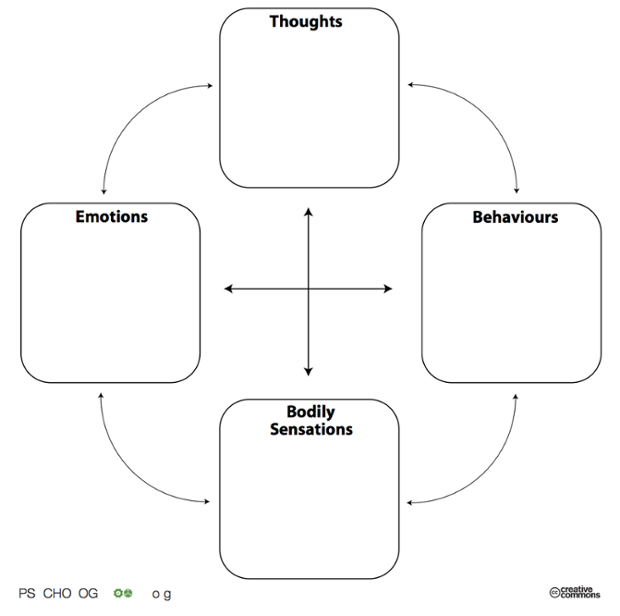
13 The Way I Feel Worksheet /

20 Free Printable Behavior Worksheets

Feeling Workbook For Kids Feelings/Emotions worksheet Free ESL
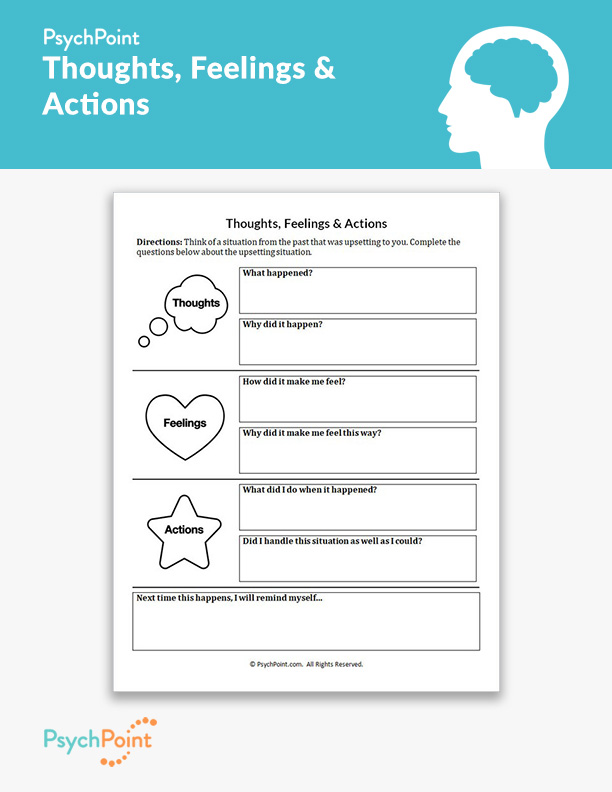
Thoughts, Feelings & Actions Worksheet PsychPoint
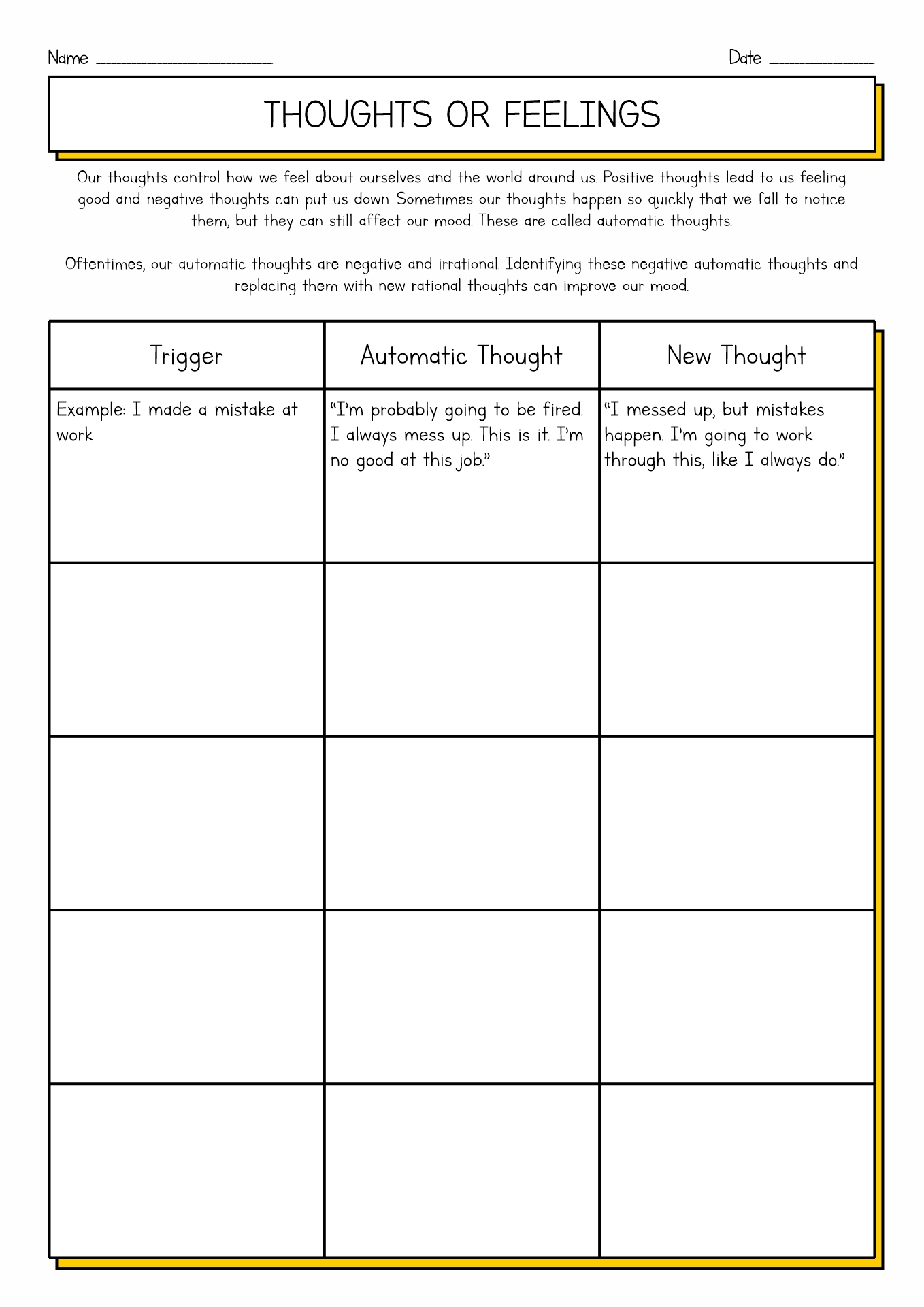
17 Best Images of Cognitive Behavioral Thought Worksheets Cognitive
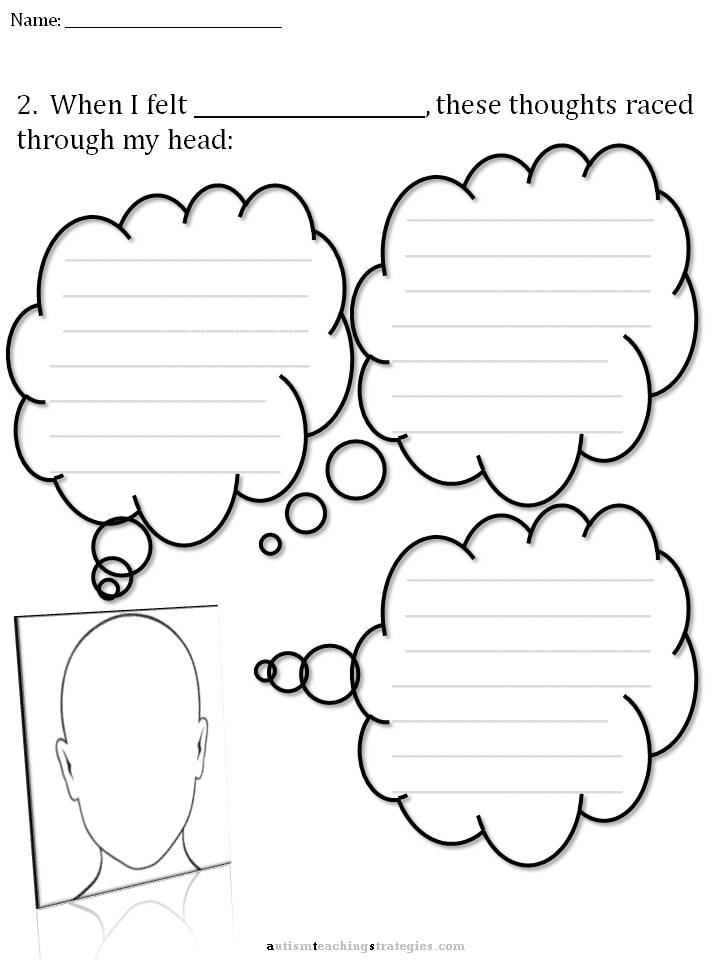
16 Best Images of Automatic Thoughts Worksheet Thoughts and Feelings

How Was Your Day? Feelings Worksheet For Kids Emotions activities

Pin on counseling

Think Sheet! Behavior...Feeling...Consequence...Next time. Repinned by
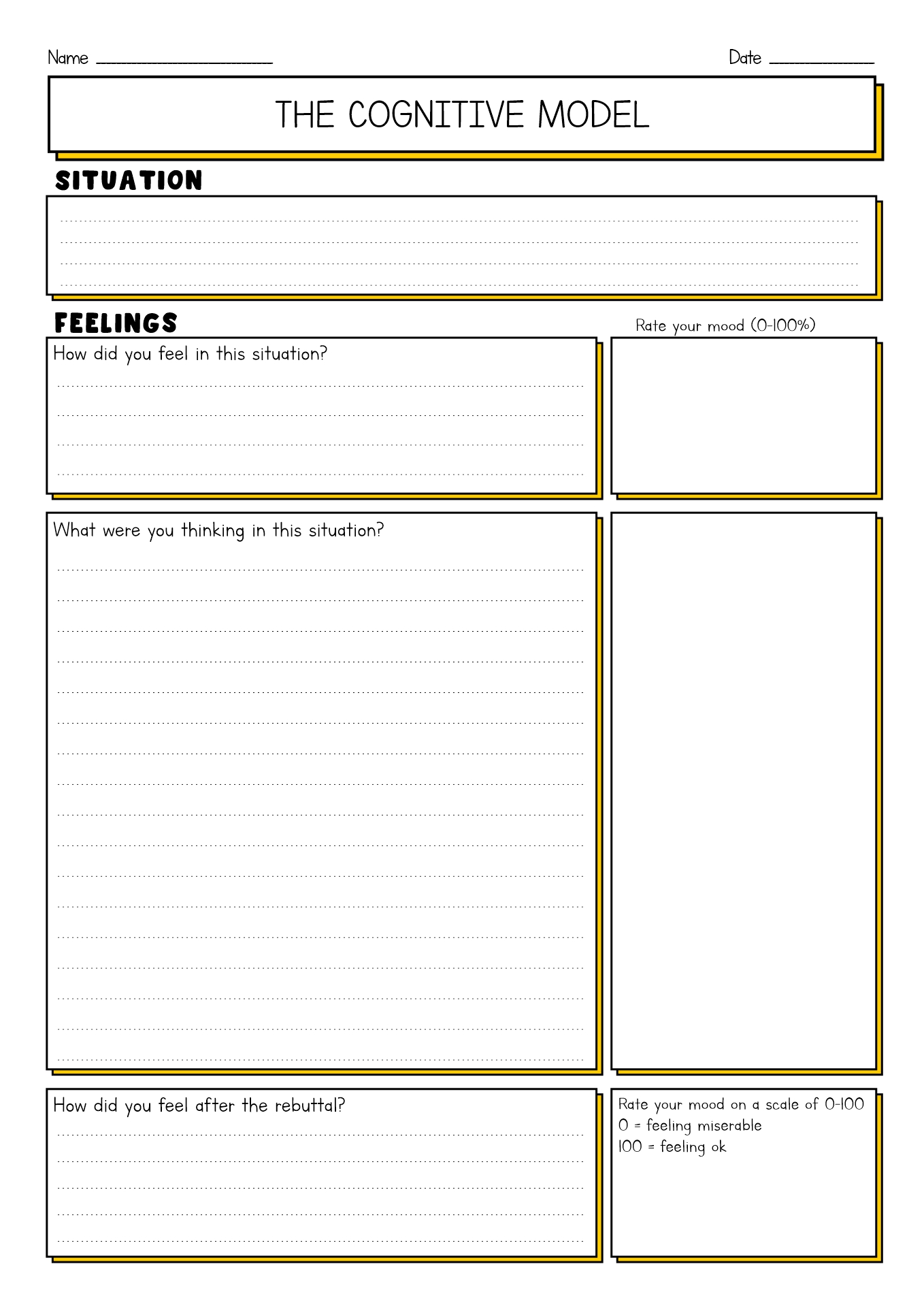
17 Best Images of Cognitive Behavioral Thought Worksheets Cognitive
Web This Cognitive Behavioral Therapy Worksheet Is Great For Students Who Demonstrate Negative Thinking Patterns That Lead To Poor Mood Regulation Or Behavioral Incidents.use The Worksheet To Work On Teaching Students How Their Negative Thoughts Can Negatively Affect Their Emotions And Behavior.
Web cognitive behavior therapy has three main components; Web cut out the faces, feelings, and spinner arm and follow the instructions here to make your feelings wheel. Web worksheet the cognitive triangle illustrates how thoughts, emotions, and behaviors affect one another. Clients can record their activities and measure the degree of a specific mood (for example, anxiety) during each activity.
Web A Feelings Wheel Is A Chart With Primary Emotions In The Center That Fans Out With More Specific Emotions.
• to decrease of problematic symptoms in their frequency and intensity. Cbt is an integration of principles from behavior therapy with theory and methods from the cognitive therapies developed by. A simple diagram, along with brief explanations of thoughts, emotions, and behaviors, make the central concepts of cbt as intuitive as possible. Web resilient thinking worksheet © anne m.
For Practical Ways To Challenge And Dispute Negative Automatic Thinking, One Can Try Using One Of These Worksheets.
Great for the classroom or at home to give little ones an opportunity to identify their feelings. • to increase awareness of maladaptive patterns of thinking and acting out our feelings. Ncvc, medical university of south carolina 3. Cbt is commonly used to treat a wide range of disorders, including phobias, addictions, depression, and anxiety.
Accepting Negative Experiences Does Not Mean That We Want To
It can be overwhelming to understand exactly how we feel, why we feel it, and how to respond when. Psychology tools cbt worksheets, exercises, information handouts, and therapy resources have been carefully designed to support your clinical work. The main focus of cbt is: Brafford perience your feelings without attempting to control or change them in any way, to stay with your emotions as fully as possible and to let them run their natural course (hoffman et al., 2009).